Overpopulation Versus Overconsumption - let's settle the debate once and for all.
Its both, but only one aspect is realistically amenable to correction.

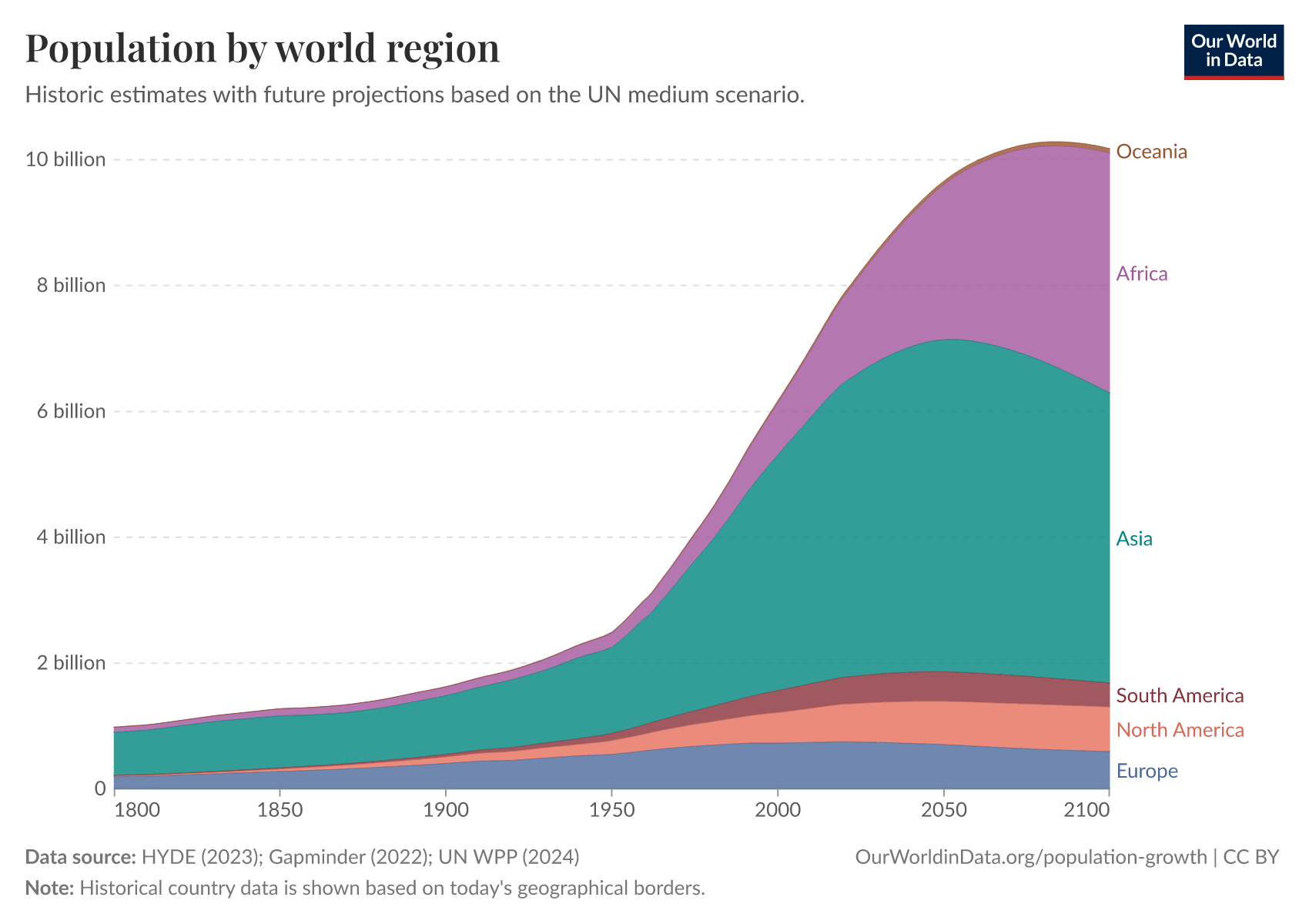
Many people readily acknowledge humanity’s severe environmental impacts yet insist on framing the crisis almost exclusively as a problem of overconsumption by “the rich.” This perspective, while politically convenient, is incomplete and misleading. It deliberately downplays the fundamental role of human numbers and the inescapable baseline resource demands of every additional person on the planet.12
Every modern human requires food, water, shelter, energy, and supporting infrastructure, such as employment, education and health. These are not luxuries or excesses — they are minimum requirements. When multiplied by a global population of over 8 billion (heading toward 9–>10 billion), these baseline needs drive massive ecological destruction, regardless of how “efficiently” or equitably resources are distributed. 3
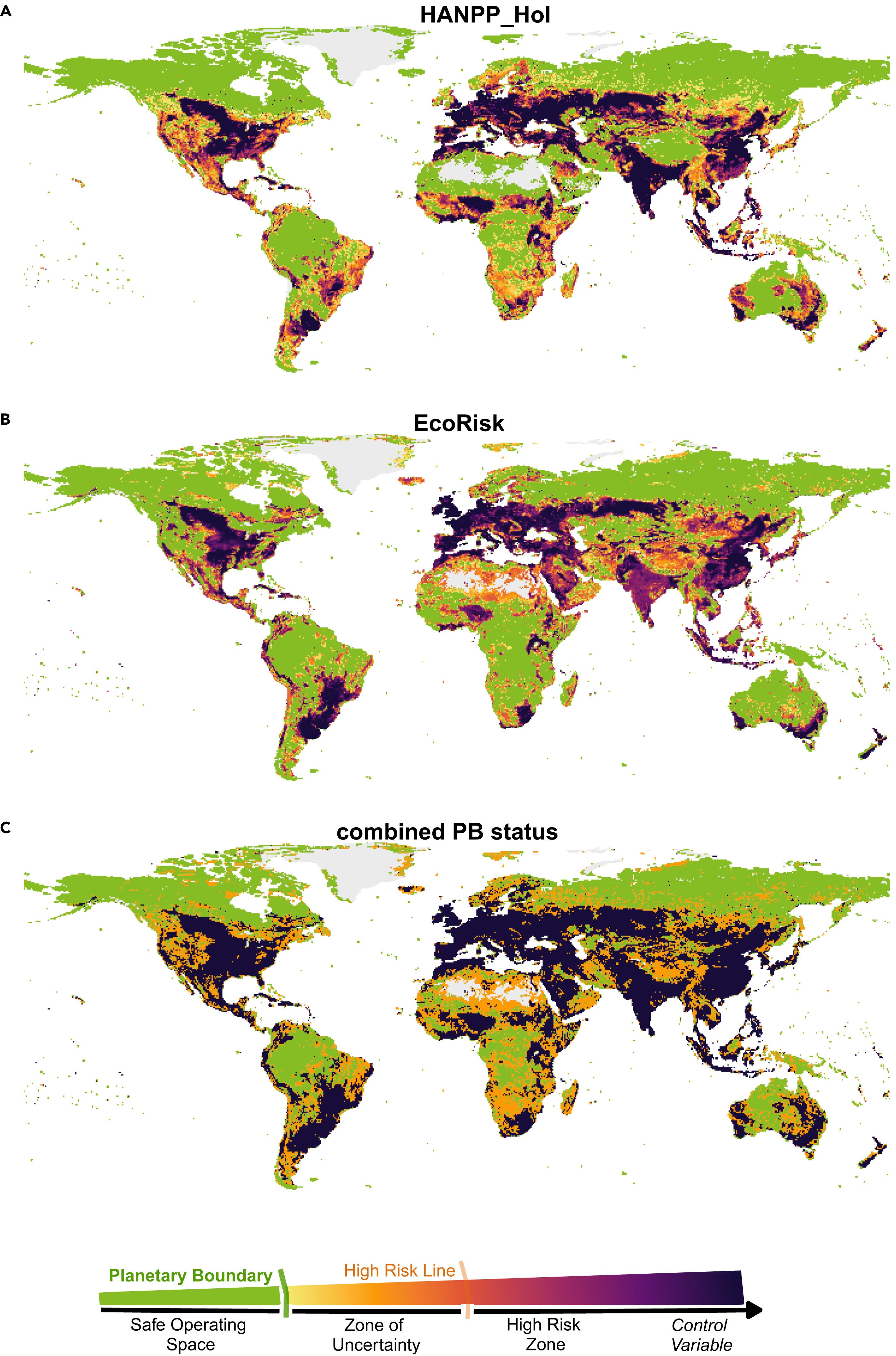
Agriculture: The Primary Driver of Ecosystem Destruction
Satellite imagery and land-use studies consistently show that agriculture — the direct result of feeding billions — is by far the largest cause of global habitat conversion and ecosystem loss. Agriculture occupies roughly half of the world’s habitable land, with the vast majority of tropical deforestation driven by expansion of cropland and pasture. 4567

This is not primarily “overconsumption.” It is the baseline food demand of a huge population. Livestock and crop production also account for approximately 70% of global freshwater withdrawals, driving aquifer depletion, river diversion, and large dam projects worldwide. 89

Indeed, in places like Madagascar10, and much of Africa 11121314, some areas of Asia, and Central 15 and South America, deforestation for agriculture is not necessarily driven by affluent humans, but rapidly expanding populations of low per capita consumption humans.
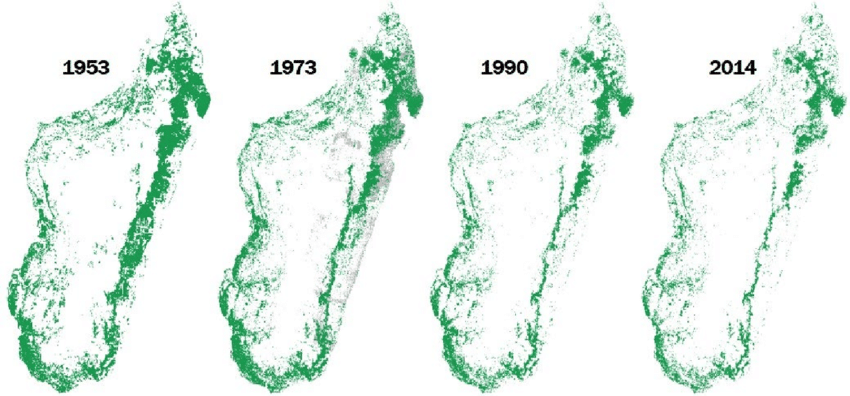
On a sidenote, “The long-term impact of biodiversity loss in Madagascar has been modelled by researchers. Their work suggests that recovery from the current wave of extinctions could take as long as 23 million years”. 16

Destruction of SE Asian and PNG forests for palm oil may be somewhat of an exception to this, as it is largely driven by local and international consumerism, but that deforestation is also predicated on a rapidly increasing local population who all need employment1718. However, much of that consumerism is itself driven by population growth in market countries, and the increasing affluence derived from economic growth which is also partly fueled by population growth1920.
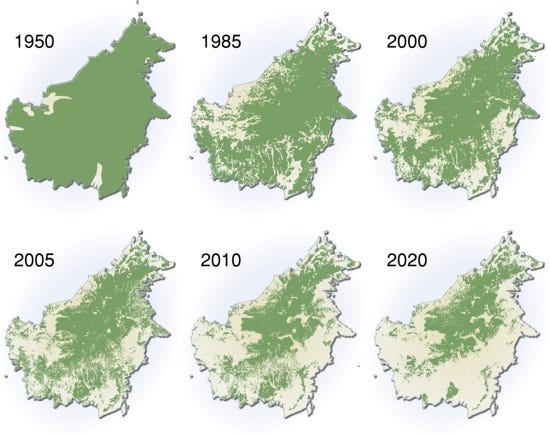
It is also important to note that the rising abundance in labour available to the palm oil industry, and other sources of deforestation, in the outlying islands of Indonesia of Borneo (Kalimantan), Sumatra, Sulawesi, and Irian Jaya/Papua (and many other smaller islands), was itself derived from the overpopulation of Java, Bali, and Madura. The “Transmigrasi” project, which had its origins in Dutch colonial times, was intensified following independence under President Sukarno (reaching its peak between 1979 and 1984), and received international funding including a $400 million loan from the World Bank. It was intended to redistribute millions of people from overpopulated Java to these same islands to reduce the overpopulation burden and help poverty alleviation in Java, and to kickstart economic development and conversion of ecosystems to agriculture in the outer islands. 21 Certainly it has been successful in the latter aim.

Much of the deforestation of Australia22, North America2324, South America25, China26, and Europe27, was carried about by humans who, by our current standards, we would consider to be low per capita consumers. And much of it even before the advent of fossil fuels.
These impacts scale directly with population size.
Indeed, it is clear that many facets of overshoot of planetary boundaries, including loss of biodiversity28, loss of biosphere integrity29, biogeochemical flows30, and climate change3132, and to a lesser extent, greenhouse gasses (also directly related to industry/affluence), are direct manifestations of the size of the overpopulation of just one species on Planet Earth. That species, of course, is us.
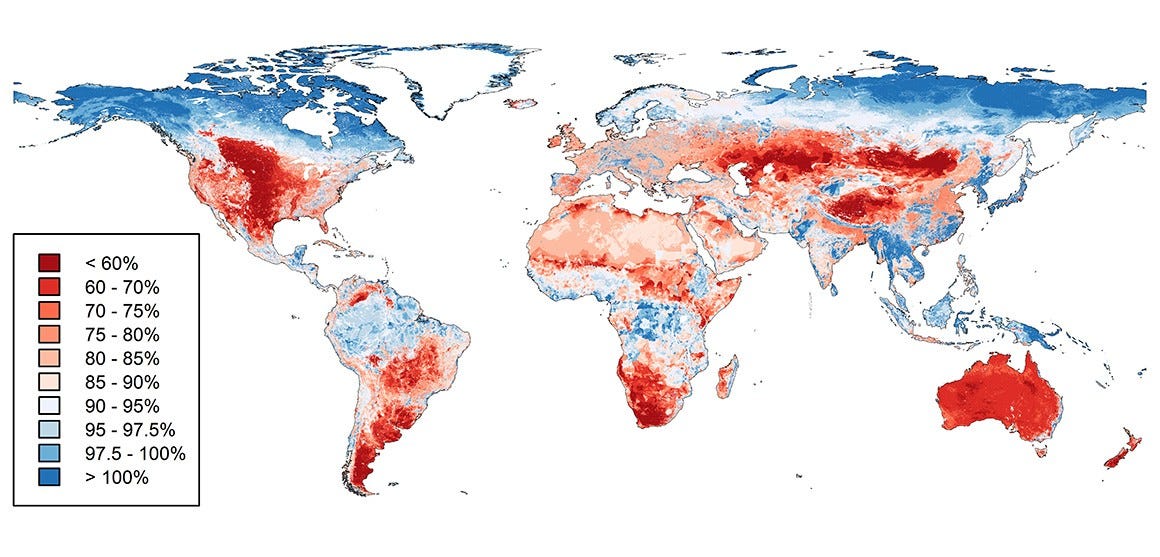
The Role of Livestock Production in the Overshoot Debate
A common argument from those who downplay the role of overpopulation is that animal agriculture is almost solely responsible for the harms of modern agriculture3334. According to this view, simply eliminating or drastically reducing livestock production would largely solve the land-use, deforestation, and biodiversity crises. While shifting away from industrial animal agriculture may deliver meaningful benefits and is morally and ethically righteous (I am a vegan myself), this perspective is overly simplistic and fails to address the deeper structural problems.
Efficiency and Intensity Differences
It is true that livestock production is generally less efficient than direct human plant consumption. Animals convert feed into edible protein and calories with significant losses, requiring far more land per unit of food produced35 — particularly for beef and lamb.36
However, plant-based agriculture is often far more intensive. It typically demands higher levels of irrigation, synthetic fertilizers, and chemical inputs per hectare37. Vast monocultures replace diverse ecosystems, systematically eliminating “pest” species (often native wildlife) and “weeds” through habitat destruction, insecticides, and herbicides.
The Fossil Fuel Foundation of Modern Crop Agriculture
Much of industrial plant agriculture depends heavily on fossil fuels38. Nitrogenous fertilizers are produced primarily through the Haber-Bosch process, which relies on natural gas (methane)39. This not only emits CO₂ during production but also generates substantial nitrous oxide (N₂O) — a greenhouse gas roughly 273 times more potent than CO₂ — when applied to fields404142.

Phosphate and other fertilizers require mining finite mineral deposits43, while many insecticides and other agrochemicals are derived from petrochemical feedstocks44. These inputs make high-yield plant agriculture unsustainable in the long term, regardless of whether the crops feed humans directly or livestock.
And this is in addition to the known impacts of agriculture on progressive topsoil depletion45, erosion, desertification46 and climate change, both locally via local increases in surface heat4748, and reduction of rainfall49, after conversion of forests and other ecosystems50, and globally, via rising greenhouse gasses and loss of carbon sinks and uptake51.
Drivers of Rising Meat Consumption
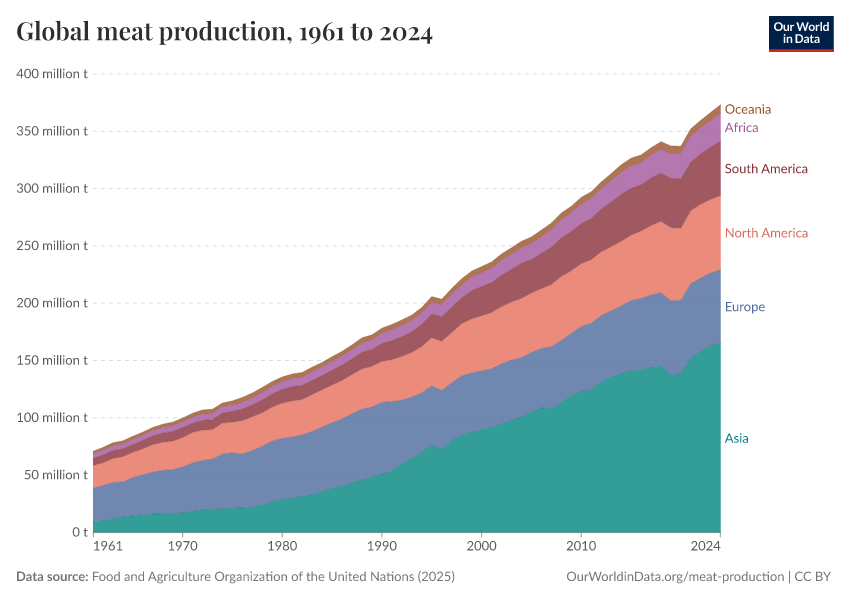
Critics who focus exclusively on animal agriculture often overlook a key fact: the sharp rise in global meat consumption is driven primarily by population growth and only secondarily by increasing affluence, especially in developing countries5253. The same organizations and advocates who champion rapid economic development and rising living standards in the Global South frequently minimize or dismiss the role of population growth5455. Yet rising incomes reliably translate into higher demand for meat, dairy, cars, and other resource-intensive goods.5657

Norman Myers and Jennifer Kent highlighted this dynamic in their influential work “New Consumers: The influence of affluence on the environment” (2003), documenting how newly affluent populations in developing nations are adopting high-impact Western consumption patterns, with meat and fossil fuel use as major drivers.58
Indeed, research has shown increasing incomes in developing countries translates to more rapid deforestation5960.
And its not just the environment which suffers directly from economic growth, there are many instances of documented impacts on social and cultural values with economic growth and the emphasis on materialism that it brings. For instance, as documented by anthropologist Peter Metcalf:
“On the face of it, that might sound like a good thing. After all, we’re told that growth is good. We’re told that more income lifts people out of poverty and improves their lives. This narrative is drilled into us by development institutions like the World Bank, and echoed by media outlets around the world. But what I have witnessed calls this simplistic story into question.”
“The village is in Sarawak, which is on the Malaysian side of the island of Borneo, the third-largest island in world, larger than France or Texas. When I first visited Sarawak in the 1970s, the Indigenous communities living there had virtually no money, but they lived well. Now they have money, and can barely feed themselves. They have been impoverished even as incomes rise. It is a story of brutal destitution that is completely obscured by the GDP growth statistics.
In the 1970s, Borneo had the most extensive rainforests outside Brazil and central Africa, brimming with life and biodiversity. People who lived in communities in and around the forests had little money, but they controlled their own abundant food supply. They grew their own local varieties of rice, supplemented with game from the surrounding rainforest and fish from the river. They had a balanced diet, and were impressively fit and healthy.”
“The village I regularly visited comprised about 350 people all living under one roof, in a traditional longhouse that was typical of central Borneo at the time. An open verandah ran along the side of the house facing the river, while the other side consisted of a row of family apartments. Their farms were some hours away by canoe, along small streams that led into the hills. During the season of cutting and planting, and again during the harvest, everyone was busy at the farms and the longhouse was empty. At other times, it was bustling and full of life. There was a powerful sense of shared history and tradition, including elaborate seasonal festivals and feasts. No one went hungry in the longhouse.
Starting in the 1980s, everything changed. Borneo’s forests were destroyed at a rate unprecedented in human history. Ruthless timber barons, fuelled by capital from West Malaysia, Hong Kong and Japan, and aided and abetted by crooked politicians who sold off timber licenses to the highest bidder, tore through the forests of Sarawak and stashed their fortunes in luxury apartments in London.
Indigenous communities resisted the destruction of the rainforest, but they were brutally suppressed. In addition to the police and army, the timber companies hired goons to intimidate anyone trying to obstruct the roads. I heard rumours of violence, but very little news got out because the government tightly controlled the access of outsiders, especially foreign journalists. It’s disturbing to think how easily and thoroughly this news blackout worked.
After the forest was cut, something happened that had never happened before: the forest floor dried out. Then it caught fire. The government blamed slash-and-burn agriculturalists, but that was absurd. In all the hundreds of years that this technique had been used in Borneo, the forest had never burned before. Now every year during the dry season from March till October thick clouds of smoke spread downwind as far as Thailand. It is devastating to watch. And the contribution to global warming is incalculable.
What the fires accomplished was that they cleared the land for plantation agriculture. Malaysia and Indonesia between them account for 85 percent of the world’s production of palm oil, which is used in cosmetics and processed foods. The great majority of that product is grown on the ashes of the Borneo rainforest, and the very same companies that did the cutting now own the largest palm oil estates.
With the forests gone and the rivers polluted, the only way for the longhouse people I knew in Sarawak to make a living is by working for meagre wages on the palm oil plantations.
A whole generation of young men had grown accustomed to life in the lumber camps. After the timber was worked out in one area, they moved on with the camps – if given the chance. The ones that weren’t hung around in the longhouse, idle and disoriented. Many went off to the cities on the coast, where they live in squatter settlements and comprise a new lumpen proletariat.”
“For the longhouse people, food sovereignty and economic independence has been traded for a cash dependency that they cannot now escape. Their resource base has been destroyed, the farming skills of their grandparents are forgotten, and their invaluable stocks of seed rice – every family once had its own unique varieties – have long since been consumed. The longhouse has turned into a labour barracks, built at no expense to the employers.
The astonishing thing is that all this is smugly reported as development, as “growth”, but this glossy narrative hides a much darker reality. The World Bank reports that poverty has been reduced. But rising incomes don’t come anywhere close to compensating for the livelihoods that the longhouse people have lost. Nothing can compensate for the loss of food sovereignty and economic independence, and of course the loss of the rainforest. The whole narrative of poverty reduction is a charade.
All of this makes me wonder about economic development elsewhere. Media outlets love to report how growth in China has lifted hundreds of millions out of poverty. But the reality is more complex. The sociologist Sarah Swider has described what she calls the “new precariat” of China. Migrants moving into the cities from rural areas have very limited choices. Workers are housed in overcrowded dormitories. They work long hours and have very little contact with the outside world. Others survive as day labourers in informal street markets, and they are powerless against any abuse. Migrant workers have no rights because their legal residence is back in the countryside.
GDP figures tell us nothing about the costs of growth. And, as in Borneo, the real beneficiaries of China’s growth have been the corporations and elites who leech the labour of the new precariat.
Simplistic stories of GDP growth blind us to the extraordinary social and ecological destruction that growth so often entails. We urgently need to abandon this metric and pay attention instead to what is happening in the real world – who is winning and who is losing, what is gained and what is lost. Too much is being destroyed, too fast.” 61
I’m old enough to remember when segments of the progressive left regularly denounced materialism and consumerism as soul-destroying forces that alienated people from one another and from the natural world. Today, those voices have largely fallen silent. Material wealth is now almost universally equated with “escaping poverty” and improving quality of life, with little critical examination. 62
This narrative conveniently serves the interests of wealthy elites and large corporations, which have profited enormously from the rapid exploitation of natural resources to meet the demands of growing populations eager to increase their material consumption.63
This cultural shift toward materialism has dramatically accelerated the destruction of ecosystems and biodiversity. Rising demand for consumer goods drives the conversion of forests, wetlands, and grasslands into farmland, plantations, and urban sprawl — even among some indigenous communities that were once more closely connected to traditional, lower-impact ways of life.
There is now a broad societal consensus that increasing material consumption equals a better quality of life. In certain respects, this is true: greater material wealth often brings more reliable access to clean water, secure housing, healthcare, and education. However, this view is dangerously incomplete. Decades of research show that quality of life is also deeply tied to regular contact with nature. People with stronger connections to the natural world consistently report higher levels of happiness, life satisfaction, meaning, and psychological well-being, along with lower rates of stress, anxiety, and depression. 64 65 66
Many environmental NGOs, thinktanks, and even governments, publicly acknowledge the mental health benefits of nature connection, yet simultaneously promote narratives that celebrate rising affluence and materialism as unqualified societal goods, as well as being largely silent on the impacts of population growth on the natural world. This contradiction is rarely confronted. The result is a profound inconsistency: institutions that claim to defend the natural world are often aligned with economic and developmental models that inevitably lead to its further destruction.
The Most Effective Lever
In summary, while reducing animal product consumption — especially from intensive factory systems — would free up land and lower certain emissions, it does not eliminate the fundamental pressures created by a global population of eight billion and growing. The single most powerful and reliable lever for stabilizing and eventually reducing total meat demand, land conversion, fertilizer use, and overall agricultural impacts is addressing human population growth itself through voluntary family planning, education, and access to contraception.
Focusing solely on dietary change while ignoring or opposing measures to slow population growth creates a self-defeating contradiction. It allows continued expansion of total agricultural footprint even as per-capita impacts are perhaps modestly reduced. Honest analysis requires acknowledging that both consumption patterns and human numbers matter — but population size remains the multiplier that makes all other impacts far harder to manage.
Plant-based Agricultural Expansion
Global cropland continues to expand rapidly even as livestock production grows, driven overwhelmingly by population growth and, to a lesser extent, rising affluence. Between 2003 and 2019, global cropland area increased by approximately 9%, with acceleration in the annual rate of expansion — particularly in Africa and parts of South America. Much of this new cropland has replaced intact natural ecosystems, including tropical forests, savannas, and grasslands. 67 68
In many regions, this expansion is occurring alongside — rather than being offset by — the growth of livestock industries. Examples are abundant: in Indonesia and other parts of Southeast Asia, tropical rainforests continue to be cleared for rice paddies to feed growing populations 69. Sugar cane plantations are expanding for both direct human consumption70 and biofuel production71. Palm oil — used in countless processed foods, cosmetics, and biofuels — has been one of the most significant drivers of recent tropical deforestation. Its continued expansion is propelled by a larger global consumer base resulting from both more people and increasing wealth in developing nations.72
Additional cropland expansion is also driven by “food security” concerns, as existing agricultural areas suffer from soil degradation, topsoil loss, desertification, pest pressures, and climate change impacts. These factors force further conversion of natural habitats simply to maintain or increase total food output.
Even a substantial reduction in meat and livestock production would not automatically deliver large gains in biodiverse habitat. While reducing livestock (especially inefficient ruminant systems) could theoretically free up pasture and some feed cropland, ongoing population growth would simultaneously boost demand for direct human plant foods such as rice, wheat73, maize74 75 76, cassava 77 78, palm oil, and sugar. In many cases, this would accelerate the expansion of intensive monoculture cropping into remaining natural areas. 79
In short, any land potentially “spared” by lower livestock numbers is highly unlikely to revert to species-rich ecosystems in the near or medium term. Instead, it would likely be repurposed for other high-demand crops or left vulnerable to further conversion driven by the relentless pressure of more people requiring more food. The net result is continued habitat loss and fragmentation, even in a lower-meat scenario, unless population growth is also meaningfully addressed. This reality underscores that dietary shifts alone cannot compensate for the multiplier effect of ever-increasing human numbers on total agricultural land demand.
The Misleading Focus on “The Rich” and Emissions
Reports such as those from Oxfam, which claim the richest 10% are responsible for a disproportionate share of emissions (often cited around 48–50%), focus narrowly on “lifestyle consumption” carbon emissions80. While income-based inequality in emissions is real, these analyses often rely on complex, sometimes opaque methodologies and do not adequately capture the full spectrum of biosphere impacts — particularly land-system change, biodiversity loss, and freshwater use driven by feeding the broader global population.
Emphasizing only fossil fuel-linked affluence obscures the enormous aggregate footprint of agriculture, transport, housing, and raw materials required to support billions of people. Even if the wealthy halved their emissions tomorrow, the land-use and water demands of 8–10 billion people would remain fundamentally unsustainable due to planetary boundary transgressions in biosphere integrity and land-system change.81

The Views and Messaging of UN Organisations and Environmental NGOs
A striking feature of the mainstream environmental movement and international institutions is their widespread reluctance — or outright refusal — to acknowledge human population growth as a significant driver of ecological overshoot. Many prominent organisations actively downplay or dismiss it, focusing almost exclusively on consumption, inequality, and technological solutions. This stance often appears driven by ideological commitments, political expediency, funding dependencies, and a desire to avoid controversial topics associated with coercion or racism.
Major Environmental NGOs
Greenpeace has been explicit in rejecting the relevance of population growth. It describes the “overpopulation narrative” as an outdated, dangerous myth that unfairly blames the poor (especially in the Global South) while diverting attention from corporate polluters and overconsumption by the rich. The organisation argues that systemic change in production and consumption patterns, not fewer people, is the solution. 8283
WWF International produces some of the most widely cited assessments of global biodiversity decline through its biennial Living Planet Report. The 2024 edition reports a catastrophic 73% average decline in monitored vertebrate wildlife populations since 1970, with even steeper losses in regions such as Latin America and the Caribbean (95%), Africa (76%), and the Asia-Pacific (60%). The report consistently identifies habitat loss and degradation — driven primarily by the global food system (agriculture, livestock, and associated land conversion) — as the leading direct threat, followed by overexploitation, invasive species, pollution, and climate change. 8485
While older editions occasionally reference “increases in population” alongside economic growth, rising consumption, and international trade as underlying indirect drivers, WWF’s messaging and policy recommendations almost entirely avoid terms such as overpopulation, population growth, or population stabilisation. Solutions centre on transforming food and energy systems, reducing consumption (especially in wealthy nations), sustainable production, and expanding protected areas. Population growth itself is rarely presented as a core lever requiring urgent attention. 86
WWF Australia mirrors this global position. Despite stark warnings about wildlife declines and ongoing habitat destruction within Australia (including contributions to the global Living Planet Index from species such as mountain pygmy-possums and hawksbill turtles), the organisation places minimal emphasis on domestic population growth or high immigration-driven increases in human numbers. Australia’s exceptionally high per-capita consumption combined with continued population growth exerts intense pressure on remaining habitats, yet WWF Australia’s public advocacy and campaigns overwhelmingly prioritise climate action, renewable energy, anti-fossil fuel efforts, and sustainable agriculture rather than addressing the multiplier effect of a growing human footprint.87
This reluctance to engage directly with population dynamics persists even as their own data underscore the relentless expansion of human land use and resource demands. Like many other large NGOs, WWF appears to prioritise politically safer narratives centred on consumption patterns and technological transformation over confronting the foundational role of expanding human numbers.
The Sierra Club (USA) has undergone a notable shift. Historically concerned with population stabilisation, it now largely rejects framing overpopulation as a central issue, emphasising instead women’s rights, education, and consumption. The Club explicitly opposes coercive measures and has distanced itself from earlier positions linking immigration to environmental pressures in the United States88. The Sierra Club actually received a major donation of $100 million from David Gelbaum, a billionaire, on condition that they not oppose mass immigration into the USA89, a stance they have since supported on ideological grounds90.
The Australian Conservation Foundation and similar groups have generally prioritised climate, renewables, and anti-fossil fuel campaigns while giving minimal attention to domestic population growth, despite Australia having one of the highest per-capita population growth rates (of high per capita consumption humans) in the developed world through immigration.
Corporate Partnerships, Conflicts of Interest, and Greenwashing
Many of the world’s largest environmental NGOs maintain close and often lucrative relationships with major corporations. WWF International exemplifies this pattern. Its board and leadership have historically included executives with current or past ties to large multinational companies, most notably Unilever, one of the world’s biggest users of palm oil, soy, and other agricultural commodities. These corporations’ core business models depend on continuous growth in consumption, driven by both global population increase and rising per-capita affluence in emerging markets. 91
In addition to board-level connections, many large NGOs derive significant funding and influence through formal “strategic partnerships” with big business. These partnerships typically involve providing sustainability advice, certification schemes, and reputational cover in exchange for financial support and collaborative projects. Critics argue that this arrangement frequently amounts to little more than greenwashing, allowing inherently unsustainable business models to continue operating under a veneer of environmental responsibility. 92
A prominent example is WWF’s central role in founding and promoting the Roundtable on Sustainable Palm Oil (RSPO) in 2004. While the RSPO was intended to transform the industry, it has faced sustained criticism from independent scientists and environmental groups. Plantations that destroyed intact tropical rainforest as recently as 30 years ago have been certified as “sustainable.” Studies and field investigations have repeatedly shown that RSPO certification has often failed to prevent ongoing deforestation, peatland destruction, biodiversity loss, and human rights issues in practice. 93 94 95
With regards to WWF Australia, for example, there is a current Unilever executive who serves concurrently on the board of directors for WWF-Australia 96. At Unilever, the executive is the Global Chief of Transformation. Unilever “supported” WWF-Australia’s work to raise awareness among producers, buyers and retailers about the environmental and social benefits of switching to “Certified Sustainable Palm Oil”, whilst presumably avoiding providing awareness regarding the factors driving overall increasing demand for palm oil and Unilever’s products, and continuing tropical rainforest deforestation.97
This corporate entanglement creates a structural conflict of interest. NGOs that rely on funding and goodwill from companies whose profits scale with population growth and rising consumption have strong incentives to avoid highlighting population growth as a fundamental driver of ecological overshoot. Instead, they promote narrower narratives focused on “sustainable production,” technological improvements, and consumption shifts by wealthy consumers. This allows them to appear active on environmental issues while preserving access to corporate resources and avoiding politically and financially uncomfortable positions.
By endorsing certification schemes and incremental reforms that fail to challenge the underlying growth imperative, these organisations undermine genuine conservation efforts. Their own Living Planet Reports document catastrophic wildlife declines and habitat loss, yet their policy recommendations and partnerships rarely if ever confront the multiplier effect of ever-increasing human numbers on total resource demand and land conversion.
The Biodiversity Council (Australia) and many other national groups, as well as biodiversity and conservation academics, similarly focus on habitat protection and threats like climate change while rarely addressing or even mentioning the underlying driver of expanding human numbers and associated land-use pressures.
A troubling conflict of interest further compounds the issue. Many academics receive their funding and career support from universities that have grown heavily dependent on ever-increasing student enrolments, fueled by domestic population growth and high levels of immigration. Governments also issue research grants to academics, and it seems many academics feel that naming population and economic growth as drivers of biodiversity losses may impair their ability to procure such grants, especially if they had otherwise intended to conduct research in this field. In this environment, there is a strong incentive to downplay or avoid naming population growth as a central driver of habitat destruction and biodiversity loss. Such self-censorship represents a profound failure of intellectual and moral responsibility — one that undermines the very credibility of academia on environmental issues.
Greens Parties
The Australian Greens, German Greens, and UK Green Party have historically shown limited enthusiasm for addressing population growth. They typically advocate for women’s rights and family planning in developing countries but resist framing population stabilisation in wealthy or high-immigration nations as an environmental priority. Their platforms overwhelmingly emphasise consumption shifts, renewable energy, and social justice, often treating population concerns as incompatible with progressive values.
UN Organisations
Several key UN bodies consistently sideline population growth:
UNEP (United Nations Environment Program): Former and current statements have downplayed population’s role. One notable argument is that rapid population growth occurs mainly in low per-capita fossil fuel emissions countries, implying limited overall impact. This argument completely ignores cumulative land-use change, biodiversity loss, water demand, and the inevitable rise in per-capita consumption as affluence increases.98 In the referenced article, “Population growth, environmental degradation and climate change”, environmental degradation is mentioned in the title but nowhere else in the article is it mentioned, instead the author/s chose to concentrate solely on fossil fuel emissions, (not even loss of carbon uptake), as if this is the only mechanism of environmental degradation.
UNFPA (United Nations Population Fund): On reaching 8 billion people, UNFPA framed it positively as “8 Billion Lives, Infinite Possibilities,” highlighting people as assets and opportunities rather than pressures. It emphasises that impacts are primarily energy-related and solvable through renewables, while stressing rights and choices over numbers.99100
IPBES (Intergovernmental Science-Policy Platform on Biodiversity and Ecosystem Services): Its major assessments identify land-use change (driven by agriculture) as the leading driver of biodiversity loss but typically frame the underlying causes as overconsumption, overproduction, and economic systems rather than population size. While acknowledging population growth as a contributing indirect driver, it rarely positions stabilisation as a core policy recommendation101. The word “overpopulation” is not mentioned once in the referenced document.
The United Nations consistently champions human rights and humanitarian issues, yet it offers only mild lamentations over drivers of the accelerating destruction of ecosystems and biodiversity. In this document, “Biodiversity - our strongest natural defense against climate change”102, population and population growth is not mentioned even once. Meanwhile, it frequently celebrates rising global affluence (whilst ignoring, even celebrating, population growth) as a marker of progress— a stance that itself represents a refined form of human supremacism.
“Pierre Boileau, Head of the Global Environment Outlook Programme at the UN Environment Programme (UNEP), acknowledged at the policy dialogue that population is a key driver of environmental change but emphasized that “the level of population is not the problem, it is the consumption of individuals that is the problem.”
He said that the rate of consumption per capita is a more worrisome problem then the size of the population—a fact backed up by UN DESA’s report, which notes that more developed countries emit more carbon despite having slower-growing populations.”103
Again the UN chooses to exclusively focus on per capita fossil fuel emissions as the sole yardstick of environmental degradation, and ignores the immense multiplication product of billions of humans with low per capita emissions. They refuse to publicly acknowledge impacts on carbon sequestration/sinks, as well as multiple other environmental harms mediated by sheers numbers of humans more than they are mediated by affluence, as well as ignoring the harmful impacts of trajectories of rising per capita consumption and emissions in developing countries, as well as their population growth.
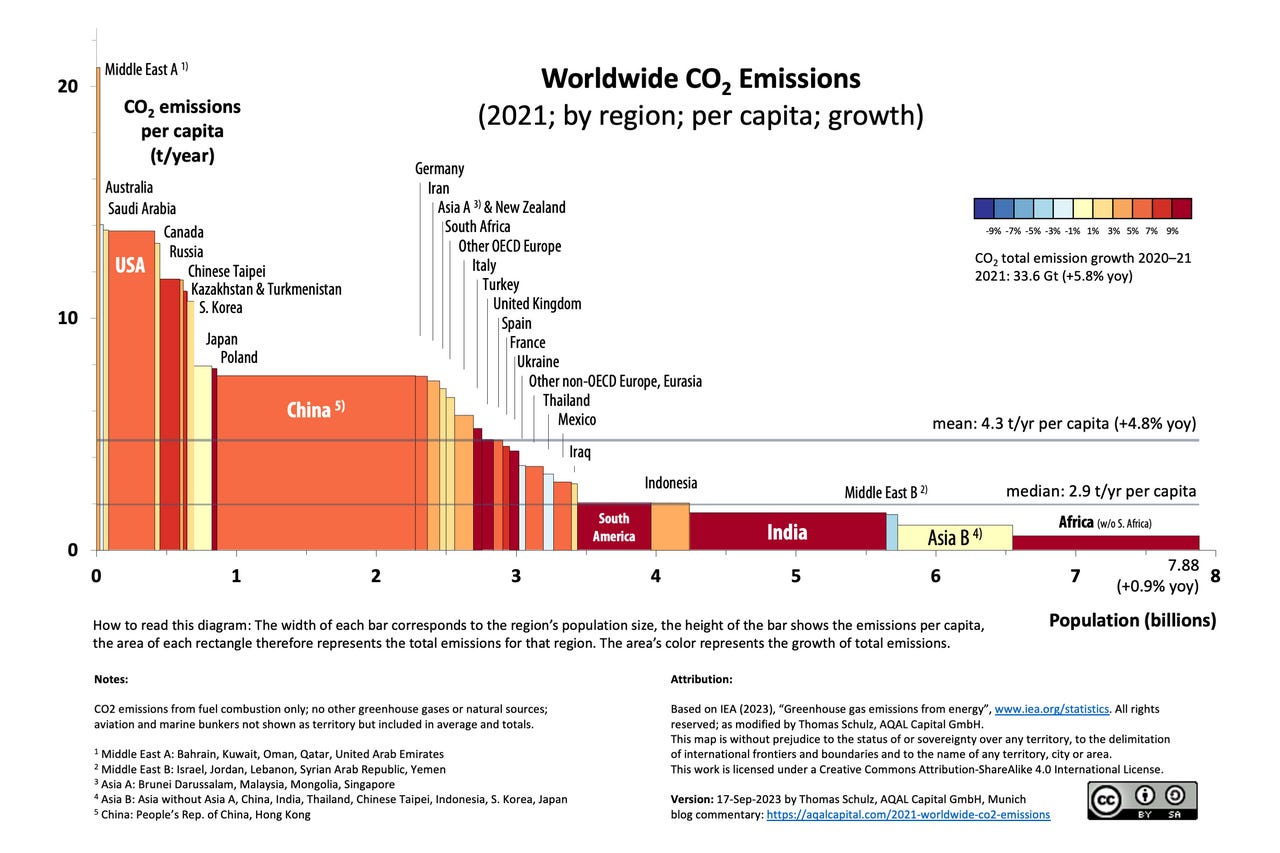
In fact the UN celebrates rising affluence, and therefore resultant rises in emissions and deforestation, in developing countries, a stance that is aligned with some of their “Sustainable Development Goals”, such as SDG #1 “Reducing Poverty”. There is actually nothing sustainable about increasing the per capita emissions, consumption and ecocide impacts of billions of people, like it or not.
The UN’s messaging also pervasively conveys that every human being holds fundamental rights, including the unlimited right to have as many children as they desire, while apparently ecosystems, species, and the broader fabric of life have no intrinsic right to exist — their value being recognised only to the extent that they serve human needs and aspirations. The UN‘s policies and messaging are based on deep human supremacism.
Australian Official Reports vs NGO Silence
This institutional reluctance contrasts sharply with official assessments. Australia’s State of the Environment Report 2021 104 (and subsequent updates) explicitly states that human population growth is a major driver of pressures on biodiversity, with “very high impact.”105 It links growing numbers to urban expansion, habitat loss, resource demand, and cumulative environmental degradation.
The Funding and Incentive Problem
These organisations depend on (conditional?) funding from governments, philanthropies, and corporations that benefit from economic and population growth. Promoting endless growth via technology (paper straws, EVs, renewables) while ignoring mining intensity, land use, and biodiversity costs of “green” infrastructure allows them to maintain broad appeal and avoid politically toxic debates. Renewables and EVs require massive mineral extraction106, and often destruction of fragmentation of remaining critical habitats for deployment, yet these impacts are often downplayed in favour of narratives promising technological salvation for any population size.
It seems fairly clear that funding from billionaires’ philanthropies and the affluent in general, allows the wealthy to in effect control the messaging and actions of environmental NGOs, effectively steering them away from opposing population growth, and incentivising them to construct narratives suggesting that environmental impacts can be mitigated by addressing overconsumption and/or technological tweaks.
Claiming that “the problem” is overconsumption, not overpopulation or population growth, enables environmental NGOs to appear active in addressing upstream drivers of environmental harms whilst ensuring continued funding from philanthropists, corporations, and other wealthy individuals who directly benefit financially from population growth and the rising consumption that it brings.
Occasionally, the opposite argument is mooted by governments and environmental NGOs and think tanks - that higher affluence can help save biodiversity: “The presupposition that economic development and overall higher income levels can mitigate biodiversity loss through improved willingness and affordability to implement measures such as protected areas, is not supported by evidence (Gren et al. 2016)107. Simply, the Kuznets hypothesis does not work with biodiversity (Mills and Waite 2009)108. This is because raising the quality of living in practice means getting the poor to be as rich as the ‘top’, while the ‘top’ does not seem to place biodiversity protection as a priority, continuing to reify the cult of economic growth (O’Neill 2012)109. As Crist (2012: 141)110 has pointed out, while “raising the standard of living” may be nebulous shorthand for the worthy aim of ending severe deprivation, it is in fact a “euphemism for the global dissemination of consumer culture”.111
Oxfam exemplifies the pattern although it may be that their approach is motivated by ideologies concerning inequality rather than conditional funding: while doing vital work on poverty and humanitarian crises, its reports repeatedly highlight that the richest 1% or 10% drive disproportionate emissions, with methodologies focused heavily on affluence-related carbon accounting. This framing, while valid on inequality, distracts from the aggregate baseline impacts of billions of people and the trajectory of rising consumption as developing nations grow wealthier. By denying or minimising the role of population numbers, such organisations — despite good intentions — help enable the very future famines, suffering, and ecological collapse they claim to oppose.
“Even if decreasing inequality of income is not aimed at making everyone rich (just stopping the rich from getting richer at the expense of the poor), unless ‘equalization’ happens in a ‘sustainable’ way, it is unlikely that the overall consumptive level of the population and damage to nature will decrease. The claim that inequality is the root cause of unsustainability is best understood as an item of faith and an expressed wish.”112
In summary, the pervasive institutional denial or downplaying of overpopulation reflects a combination of ideological capture, political caution, and misaligned incentives. This approach promotes superficial solutions (tech optimism and consumption tweaks) while the multiplier effect of human numbers continues to compound every environmental pressure. True sustainability requires honest acknowledgment that both consumption and population size must be addressed ethically and proactively.

Related NGO Issues: WWF International and the Ivory Trade Controversy
One of the most serious and frequently cited criticisms of WWF International concerns its historical position on the international ivory trade. In the late 2000s, WWF (along with its trade monitoring arm, TRAFFIC) supported a controversial one-off sale of legal ivory stockpiles from certain southern African countries (Botswana, Namibia, and Zimbabwe) to Japan and China, approved by CITES in 2008. The stated rationale was that flooding the market with legal ivory would drive down prices, reduce incentives for poaching, and satisfy demand without further pressure on wild populations. 113
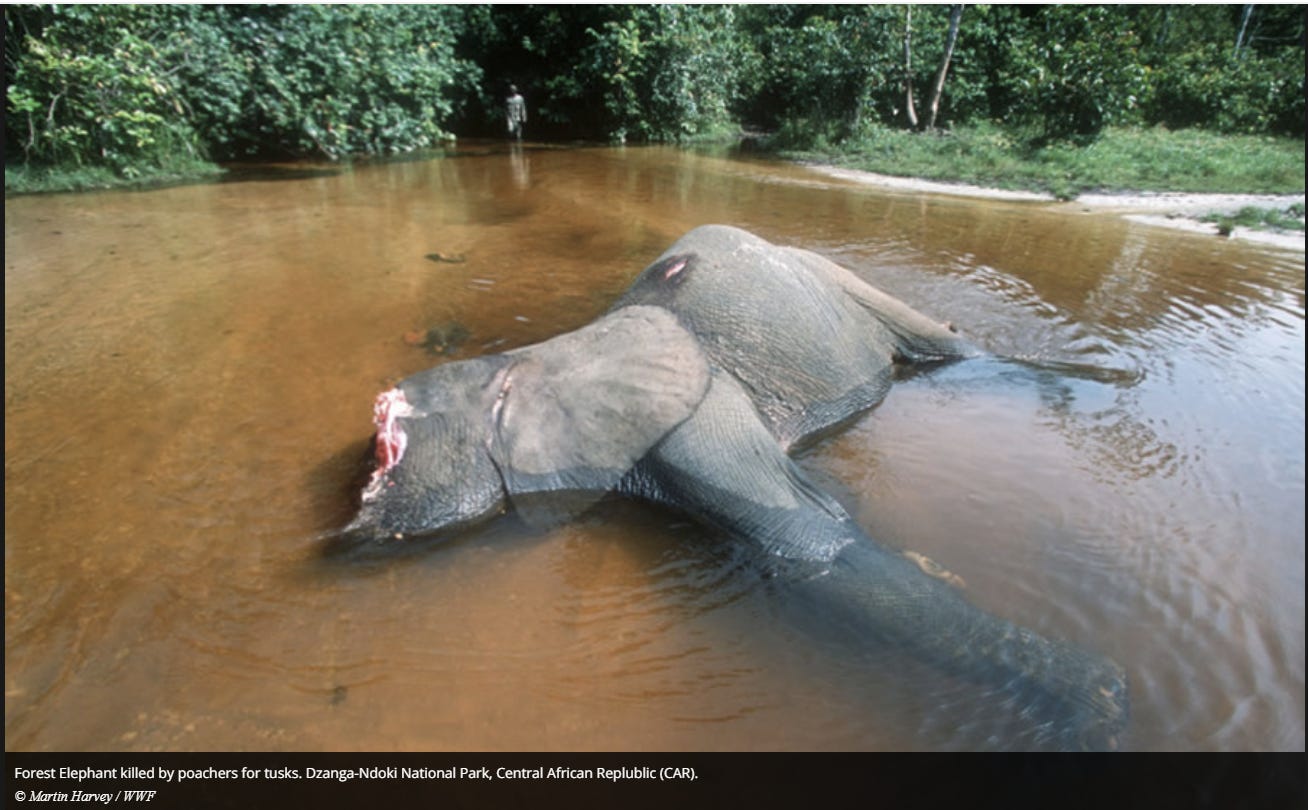
Critics, including veteran environmental investigator Dave Currey (co-founder of the Environmental Investigation Agency), argue that this policy had the opposite effect. Instead of crashing prices, the legal sale is said to have stimulated demand, raised the perceived legitimacy and value of ivory, and provided cover for laundering illegal ivory. Poaching surged dramatically in the years following the sale, contributing to the deaths of an estimated 200,000+ elephants between roughly 2008 and the mid-2010s. This period saw some of the worst elephant poaching crises in decades, with associated corruption, violence against rangers, and the strengthening of criminal wildlife trafficking networks. 114
Dave Currey has been a particularly vocal critic, accusing WWF of ignoring historical lessons from earlier partial legalisations (such as the 1980s and the 1986 Singapore sale), which also reportedly led to increased poaching. He has argued that WWF’s long-standing preference for “sustainable use” models and regulated trade created false hope among traders and consumers, undermining stricter bans. WWF’s opposition to a full global ivory ban at certain CITES meetings (including around 2016) further drew fire from Currey and others who favoured absolute prohibition.
WWF’s Current Position and Defence
WWF maintains that it strongly opposes illegal ivory trade and poaching. The organisation has supported domestic ivory market closures in key countries (such as China, the US, and Thailand) and works on demand-reduction campaigns, anti-poaching support, and protected areas. It distinguishes between illegal poaching (which it condemns) and carefully controlled legal trade from existing stockpiles in some contexts, though its public messaging has shifted toward stronger restrictions in recent years as poaching impacts became clear. 115
Context and Broader Implications
This episode highlights a deeper philosophical divide within conservation: “sustainable use” (treating wildlife as a renewable resource to generate economic incentives for protection) versus strict protectionist approaches that view any commercial trade in endangered species products as inherently risky due to laundering, corruption, and demand stimulation in weak governance environments.
This controversy illustrates how even major conservation NGOs can become entangled in compromises that prioritise certain (anthropocentric) economic or political models over the intrinsic survival of species, and concerns over inhumane treatment. Critics contend that WWF’s corporate partnerships and ideological commitment to (so-called, without evidence) “sustainable development” often lead to policies that inadvertently (or negligently) exacerbate the very biodiversity losses the organisation documents so starkly in its Living Planet Reports.
The claim that WWF in effect “increased poaching” is a strong interpretation advanced by its critics. WWF did not directly poach elephants or release illegal ivory; the criticism centres on the unintended (but foreseeable, according to opponents) consequences of supporting limited legal trade. The 2008 sale remains a highly contentious case study in conservation policy failure. I suspect that the WWF’s stance was at least partly driven by an ideological belief that “the free market” would help rectify this issue of poaching, perhaps imparted by its alignment with the corporate world and capitalism.
IUCN and the Promotion of “Sustainable Use”, Wildlife Trade, and Farming
The International Union for Conservation of Nature (IUCN) is one of the world’s most influential conservation bodies, responsible for the authoritative IUCN Red List of Threatened Species. However, its strong institutional commitment to the doctrine of “sustainable use” has drawn sharp criticism for prioritising regulated commercial exploitation, wildlife farming, and trophy hunting over stricter protection measures. This approach often reflects a human supremacist framing: wildlife is viewed primarily as a renewable resource for human benefit rather than as having intrinsic value deserving of protection from commercial trade. 116
IUCN actively supports “well-managed” wildlife trade, hunting, and captive breeding programs as potential conservation tools. It argues that legal, sustainable use can generate economic incentives for local communities and landowners to conserve habitats and species, while reducing pressure from illegal activities. This includes endorsement of regulated trophy hunting in appropriate contexts and the development of wildlife farming operations. 117
Failure to Address Growing Demand Driven by Population and Affluence
IUCN’s sustainable-use philosophy treats wildlife primarily as a manageable human resource. Its policies and specialist groups rarely highlight how global population growth and rising middle classes (particularly in Asia and Africa) are structurally increasing demand for meat, scales, skins, medicines, and luxury goods. This mirrors the pattern seen with WWF: the focus remains on managing supply, certification, and “responsible” consumption rather than reducing the total number of consumers or curbing the cultural and economic drivers of demand.
Trophy Hunting and Wildlife Farming
IUCN has published briefing papers and guiding principles stating that trophy hunting, when properly regulated, can deliver conservation benefits, habitat protection, and livelihood support (e.g., in parts of Africa and elsewhere). While acknowledging risks, the organisation has resisted blanket opposition to the practice. Similarly, it has explored wildlife farming as a means to supply markets while theoretically reducing poaching of wild populations. 118
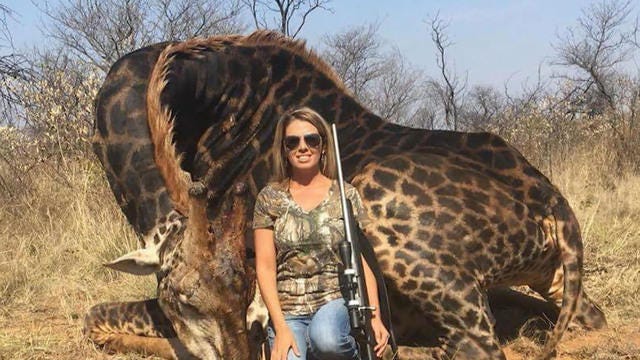
These positions underestimate laundering risks, governance failures in range states, and the tendency of legal markets to increase consumer acceptance and stimulate overall demand — outcomes that can accelerate rather than alleviate extinction pressures. 119
The Pangolin Case: Daniel Challender and the IUCN Pangolin Specialist Group
A particularly contentious example involves the IUCN Species Survival Commission (SSC) Pangolin Specialist Group and its long-time chair/co-chair, Daniel Challender, a leading pangolin researcher. All eight pangolin species are threatened with extinction, and they are the world’s most trafficked mammals, primarily for meat and scales used in traditional medicine. 120
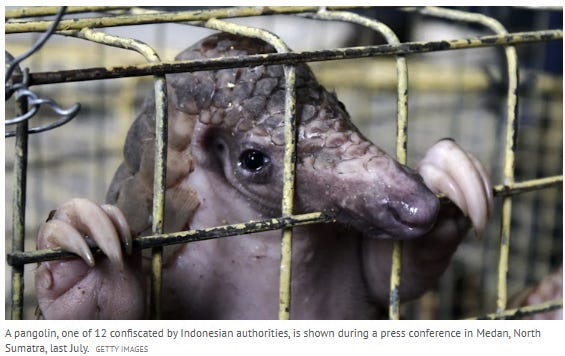
Challender and colleagues have published research evaluating the feasibility of commercial pangolin farming as a potential conservation strategy to reduce pressure on wild populations.121 While acknowledging significant practical challenges (including high mortality in captivity, difficulties in breeding at scale, and the risk that farming could increase overall demand or provide cover for wild-sourced animals), their work lends legitimacy to the concept of farmed pangolin trade, the pangolin trade itself, and legitimises the consumption of and the inhumane treatment of pangolins, both as poached and farmed wildlife. They are often boiled alive for consumption in restaurants, as noted by Challender himself. (He was served a pangolin in such a state himself, illegally, but stated that he didn’t name the restaurant as that would have been “unethical”).
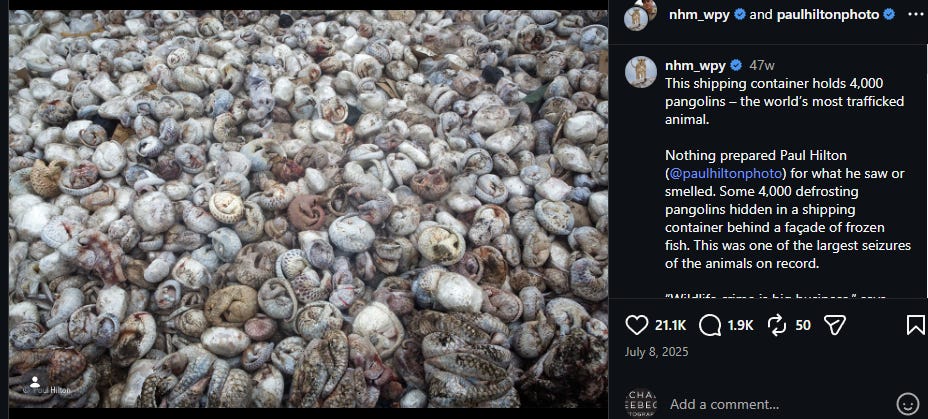
Regarding wet markets and post-COVID policy, Challender has cautioned against overly broad or permanent bans on wildlife trade and consumption122. He has emphasised the need for nuanced, “evidence-based” approaches rather than outright elimination of markets, arguing that billions of people (a gross exaggeration) rely on various forms of wildlife use for food and income 123. This stance effectively supports the continuation of systems that facilitate zoonotic disease spillover, ongoing poaching, and inhumane treatment of pangolins (which are often kept in cruel conditions in trade networks).
Challender has claimed that prohibitionist policies must be balanced against livelihood concerns and has explored market dynamics, suggesting that well-regulated trade could, in theory, play a role — a position that aligns with IUCN’s broader sustainable-use philosophy but clashes with calls for permanent closures of high-risk wet markets and a full end to commercial pangolin exploitation. This is a deeply human supremacist view which ignores the rising demand for legalised wildlife and derived products from population growth and rising affluence. 124
The Leather Lobby and Reptile Skins
IUCN has faced similar criticism regarding its close alignment with the exotic leather industry (crocodiles, pythons, lizards). Some IUCN-affiliated experts and specialist groups have actively defended the trade in reptile skins for fashion, arguing that regulated farming and sustainable wild harvest provide conservation and economic benefits. When luxury brands moved to ban exotic leathers, IUCN-linked voices (their own reptile specialist group scientists, AKA “The Leather Lobby”) criticised the decisions as counterproductive. 125
"We have enslaved the rest of the animal creation, and have treated our distant cousins in fur and feathers so badly that beyond doubt, if they were able to formulate a religion, they would depict the Devil in human form."
— William Ralph Inge
“The Leather Lobby” are a group of IUCN specialists who favour the farming and trade of reptiles, claiming that this industry reduces poaching of wild animals, for which evidence is flimsy or absent. Although it can be possible, it’s difficult to identify which animals are poached versus farmed, it adds expense, and there is a general reluctance to do so. Farming wildlife boosts consumer acceptance and stimulates increasing demand, which undoubtedly impacts wild populations. Many of “The Leather Lobby” scientists actually have a vested interest in the continuation and expansion of the farming of reptiles and the exotic leather trade.
“P.J. Smith, the fashion policy director at the Humane Society of the United States (HSUS), says he believes that some companies and luxury brands “have been working to influence the IUCN” to keep the trade running.
“If you really want to dig into the IUCN, look at some of their stances on trophy hunting because they are very similar to the exotic skin trade where they are heavily influenced by the trophy hunting industry,” Smith tells Mongabay in an interview. “That’s something that … I wish more people knew about the IUCN.””
For example, “Natusch himself acts as the director of a global consulting company called EPIC Biodiversity, which has the U.N., CITES, TRAFFIC, IUCN, and corporate brands like Gucci parent company Kering and Louis Vuitton parent company LVMH among its clients”.
Once again, there is little emphasis on the fact that demand for these luxury products scales with both population growth and, more significantly, the expansion of affluent consumer classes worldwide.
“Sustainable Use”?
This “sustainable use” ideology is dependent ideologically on deep human supremacism: species like pangolins, elephants, and others are treated as manageable resources whose commercial exploitation can be optimised for human benefit, rather than entities with an intrinsic right to exist free from commodification. By endorsing farming, regulated trade, and hunting as conservation tools, IUCN normalises the very market forces driving overexploitation and biodiversity collapse - population growth and rising affluence — even as its own Red List documents the catastrophic declines.
IUCN specialists and affiliated researchers often claim “sustainability” on remarkably flimsy and superficial grounds. A notable example is the practice of feeding wild-caught rats — trapped in warehouses where pythons are farmed — to captive reptiles. This is frequently presented as evidence of environmental sustainability and circular economy benefits, because the snakes are consuming “pest” animals and agricultural waste.126
While this may appear efficient at the individual farm level, such claims largely ignore the broader context. The relentless expansion of human populations and economies in the regions where these farms operate continues to drive large-scale habitat destruction, biodiversity loss, and increased overall demand for resources. Declaring the farming operation “sustainable” while overlooking these macro-level pressures represents a narrow, convenient framing that fails to address the root causes of ecological decline.
Perhaps we should not be surprised, given that many IUCN specialists and related bodies have vested ideological and/or financial interests in trophy hunting, the reptile trade, and the pangolin trade, that the IUCN does not meaningfully name, criticise, or prioritise overpopulation / population growth as a key driver of biodiversity and habitat loss, nor does it advocate for population stabilisation.
Trophy hunting has only come to prominence as a suggested conservation tool due to population growth which is competing with wildlife conservation due to the requirement of population growth for increasing agricultural land. Without that driver, trophy hunting would be entirely unnecessary as a supposed conservation tool. Expansion of both the reptile leather and pangolin trade is dependent on both population growth and rising affluence, drivers that IUCN experts seem reluctant to criticise even though both also increase the destruction of wild habitats of the species of their concerns.
IUCN-affiliated academics frequently (and conveniently) label any discussion of population growth in developing countries as “racist.” This stance is both factually wrong and morally unhelpful. The issue is one of sheer numbers and their cumulative ecological impact, not race or ethnicity. By weaponising accusations of racism, they evade the uncomfortable reality that rapidly growing human populations are driving widespread agricultural and infrastructure expansion, habitat destruction, and biodiversity loss — outcomes that harm both ecosystems and the very species these academics claim to protect.
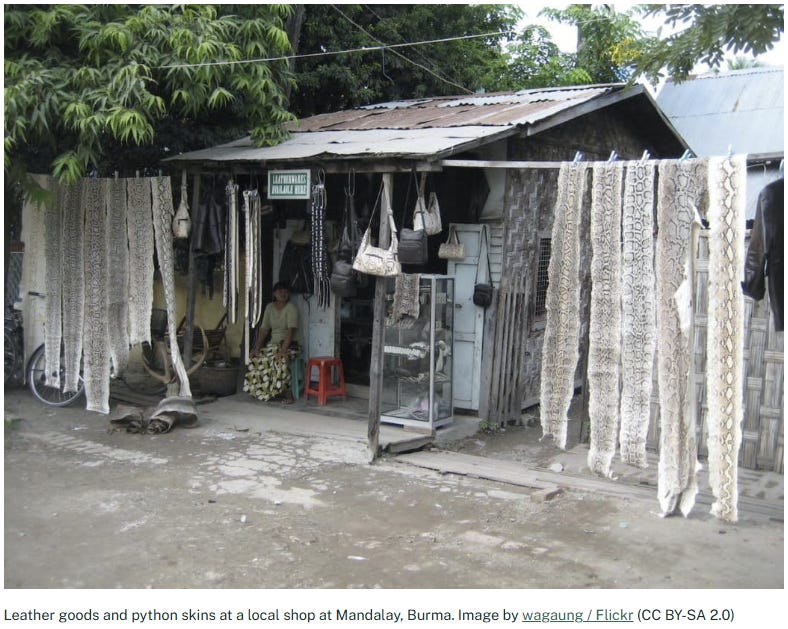
In addition to its fundamentally human supremacist stance, the active promotion of wildlife farming and trade is deeply unethical and immoral. IUCN specialists who endorse these practices know full well that the vast majority of such operations take place in countries lacking meaningful animal cruelty laws. Cruel and inhumane treatment is frequently normalised culturally, while governments lack both the capacity and the will to enforce adequate welfare standards or oversight. Even if there were to be adequate welfare standards and effective oversight, it is debatable that these wildlife farming systems could ever reach ethical and moral standards, as they rely on the inhumane incarceration of wild species, and their unnatural existence in cramped overpopulated enclosures, and premature and often cruel deaths.
“There are also a number of animal welfare concerns associated with the reptile skin industry, according to some experts. A 2006 PETA investigation showed workers at a crocodile farm in Vietnam that supplied reptile leather to LVMH skinning crocodiles that appeared to still be alive. Another investigation, by conservationist Karl Ammann, documented workers hitting pythons and water monitors over the heads with hammers and skinning them alive, as well as large-scale laundering efforts in Laos, Malaysia and Vietnam to pass off wild-caught species as captive-bred.
Renowned primatologist and conservationist Jane Goodall says she was “shocked and disappointed” to see that the IUCN openly opposed the reptile skin ban that big fashion houses have implemented.
“For one thing, there is plenty of evidence of zoonotic diseases spilling over from reptiles to people,” Goodall tells Mongabay in an emailed statement. “But more importantly (for me) is the fact that a good deal of research, as well as anecdotal reports, suggest that reptiles have emotions similar to those of mammals and birds. [The] IUCN is thus endorsing continued cruelty to millions of sentient beings, as well as exposing people who deal with them to a variety of diseases.”
She adds, “I, for one, lament the decision of IUCN.” (Goodall is a member of Mongabay’s advisory council.)
There are a growing number of studies that suggest reptiles are sentient beings, says Melissa Amarello, a conservation biologist and executive director of the NGO Advocates for Snake Preservation.
“On a physiological level, non-avian reptiles … have all the parts in their brain to do the same sort of thinking that other animals do,” Amarello tells Mongabay in an interview. “They can experience pain the same way that other animals do — and fear.”
A recent study found that garter snakes (Thamnophis spp.) prefer to spend time socializing with other snakes rather than being alone. There is even evidence that female snakes care not only for their own young, but also for the offspring of others, according to Amarello.
“When we look, we keep finding more complex behavior in this area,” she says.
Clifford Warwick, a biologist and medical scientist with an interest in reptile welfare, says there are considerable issues with keeping reptiles in ranches or farms. In most cases, the conditions are “bare, understimulating, often dirty, or cramped,” and handling is “at best inconsiderate and more usually nonchalant or brutal,” he says.
“To say that reptile welfare is ‘overlooked’ in skin production is nowhere near the truth,” Warwick tells Mongabay in an email. “I should say that good welfare is at best peripheral, and most commonly absent.”
Webb of the IUCN-SSC Crocodile Specialist Group tells Mongabay that most reptiles can actually be killed swiftly and humanely with a blow to the head, which renders them “brain dead” and unable to feel pain.
“They continue to move because their physiology is different, and the tissues can continue to move,” he says. “So they [animal rights activists] always film that … and make it look like everyone’s skinning them … alive. But they’re not alive — they’re completely dead.”
Yet Warwick says reptiles have “highly dynamic metabolic rates” that enable them to deal with dramatic fluctuations in oxygen levels. This means that it takes a long time for them to die when they’re decapitated, he says.
“[R]eptilian brains do not quickly die when blood pressure and blood oxygen supply is terminated,” he says. “Instead they (the head) remain conscious and alive and suffering for long periods.”"
Natusch himself has acknowledged there are some animal welfare concerns in the industry. For instance, he says he once encountered a farm in Vietnam where workers were killing snakes inhumanely, but adds that he and other experts worked extensively with the group to help them improve their methods. Overall, Natusch says documented instances of animal cruelty are not representative of the entire industry, and there are still “overwhelming benefits” to the reptile skin industry, both for the animals themselves and for the people whose livelihoods depend on them.”127
“Overwhelming benefits” for the animals themselves? Such as…?
Current IUCN Position (2020s)
In its major contemporary reports, policy papers, and communications (including Red List assessments, Global Biodiversity Framework submissions, and issues briefs), the IUCN treats population growth as a minor or indirect/background factor at best. It rarely uses strong language such as “overpopulation” and does not frame human numbers as a central or actionable driver of biodiversity loss.
The dominant drivers highlighted by IUCN are: habitat loss/degradation (mainly from agriculture), overexploitation, invasive species, pollution, and climate change.
Indirect drivers are typically described as unsustainable production and consumption patterns, economic systems, governance failures, and technological developments. Population growth is occasionally mentioned in passing (e.g., alongside rising affluence) but is not singled out for criticism or targeted policy recommendations.
IUCN does not advocate for global or national population stabilisation as a conservation strategy. It has no prominent campaigns, motions, or positions calling for reduced fertility rates, smaller family sizes, or limits on population growth.
Older IUCN documents (1980s–1990s) and occasional motions at World Conservation Congresses showed more openness to discussing population issues, including support for voluntary family planning. However, in recent decades the organisation has largely aligned with the mainstream environmental NGO consensus: focus on consumption, inequality, sustainable use, and rights-based approaches while avoiding “overpopulation” narratives.
Comparison with Rising Affluence
IUCN acknowledges that rising affluence (increasing per-capita consumption) exacerbates pressures, especially in emerging economies. However, it frames this as something to be managed through better production methods, certification schemes, and “sustainable consumption” rather than questioning endless economic growth or the expansion of the consumer class itself. This mirrors the positions of WWF and many other large NGOs.
This omission reinforces the human supremacism critique: IUCN treats expanding human numbers and rising material demands as largely inevitable background conditions. The solution is framed as better management of wildlife as a resource (sustainable use, farming, regulated trade) rather than reducing the scale of human demand through fewer people.
Like WWF’s involvement with the Roundtable on Sustainable Palm Oil and the ivory trade controversies, IUCN’s positions illustrate how major conservation institutions can become entangled in compromises that prioritise economic models and “pragmatic” human-centred solutions over radical protection. This approach often fails in practice due to weak enforcement, corruption, and the difficulty of separating legal from illegal supply chains, ultimately exacerbating the overshoot crisis.
Also, like WWF, the IUCN documents catastrophic biodiversity decline in detail but systematically downplays or ignores the most fundamental multiplier — ongoing human population growth — while promoting technocratic and market-based solutions that are compatible with continued economic and demographic expansion.
Environmentalism as a Profit-Driven Business: Are Large Environmental NGOs Doing More Harm Than Good?
Although environmental NGOs are legally structured as non-profits, the largest ones function increasingly like sophisticated businesses that must generate substantial revenue to sustain operations, pay large staffs, and maintain global influence. Organisations such as WWF, with thousands of employees and multi-hundred-million-dollar budgets, are managed by professionals with corporate, accounting, and business backgrounds rather than grassroots activists. Organisational growth, funding security, and institutional survival often become implicit — or explicit — priorities alongside (and sometimes above) measurable environmental outcomes.128
To remain financially viable, these groups must continuously attract donations from environmentally concerned individuals while cultivating lucrative partnerships with major corporations. Many of these corporate partners — including Unilever, Coca-Cola, and others — rely on expanding consumer bases driven by both population growth and rising affluence. In return for funding and “sustainability” advice, NGOs provide reputational cover, certification schemes (such as the Roundtable on Sustainable Palm Oil), and public legitimacy. Critics have long argued that this model frequently amounts to greenwashing, allowing fundamentally expansionist and resource-intensive businesses to continue operating while appearing environmentally responsible. 129
Population growth also directly benefits environmental NGOs by steadily expanding their pool of potential donors. As human numbers increase, so too does the absolute number of environmentally concerned individuals who can be mobilised through appeals about habitat loss, species extinction, and climate impacts. A stabilised or declining national and/or global population would likely shrink this donor base over time and reduce the emotional urgency that drives many donations. In purely financial terms, therefore, it is in the clear self-interest of large environmental NGOs that human populations continue to rise. The more people there are, the larger and more sustainable their funding base becomes — even as the very environmental problems they purport to solve intensify.
A perverse incentive emerges: permanent solutions to environmental problems would undermine the organisations’ own funding models. If major threats such as habitat loss or species decline were meaningfully resolved, the urgency driving public donations — “save the koalas,” “protect the orangutans,” “stop deforestation” — would diminish. By avoiding direct criticism of population growth and mass immigration — two powerful upstream drivers of habitat conversion and resource demand — NGOs help ensure that environmental pressures remain chronic, sustaining both donor appeals and corporate partnerships. 130
Small, incremental “victories” (protecting a particular forest patch or designating a new reserve) are heavily publicised, even when they are temporary or offset by larger-scale losses elsewhere. If upstream drivers are not addressed, protecting one area inevitably puts pressure on other areas of habitat to be destroyed more rapidly. Meanwhile, many NGOs actively champion renewable energy expansion despite its massive requirements for mining critical minerals, which often destroys biodiverse habitats. This allows them to project effectiveness to the public while aligning with funders who benefit from continued economic and demographic growth.
The Green Energy Contradiction
The promotion of renewable energy reveals particularly sharp contradictions. Many large NGOs receive significant funding from billionaire philanthropy, governments, and green energy corporations, to support rapid deployment of solar, wind, and battery technologies while downplaying or ignoring their full life-cycle impacts: vast mineral extraction (lithium, cobalt, copper, rare earths), habitat fragmentation, and the need for massive overbuild and storage to compensate for intermittency. They rarely emphasise that population growth and rising affluence continuously increase total energy demand, making absolute emissions reductions far more difficult if not impossible, whilst inevitably destroying more carbon sinks and uptake. In practice, countries like China (building new coal plants for grid stability) and Australia (planning to double gas generation) show that renewables often supplement rather than fully displace fossil fuels. Life-cycle analyses promoted by NGOs frequently rely on optimistic assumptions and overlook effects on carbon sinks and non-CO₂ climate regulation, as well as the massive materials and emissions requirements of storage and the substantial multiplying generation capacity overbuild required to replenish that storage for the stored energy to be available again as soon as possible. 131
Conclusion: Incentives and Outcomes
Through this lens, many large environmental NGOs appear structurally incentivised — both financially and ideologically — to downplay or deny the central role of human overpopulation and population growth while promoting consumption-focused and technological narratives that are compatible with endless economic expansion. By failing to address the multiplier effect of more people, they help perpetuate the very overshoot they document in reports such as WWF’s Living Planet Report. Far from being neutral or purely altruistic actors, these organisations often function as sophisticated intermediaries in a system that profits from growth while offering the public the comforting illusion of progress. In doing so, they risk doing more harm than good — delaying the honest, systemic changes (including ethical population stabilisation) required to genuinely protect biodiversity and planetary boundaries. True environmentalism must confront these misaligned incentives rather than perpetuate them.
Disproportionate Influence on Media, Academia, Government, and Policymakers
The problem runs deeper than internal incentives. Major environmental NGOs exert outsized influence over the entire ecosystem of environmental discourse and decision-making. They effectively set the boundaries of acceptable opinion — the Overton window — on what constitutes credible environmental concern.
Media treats the positions of WWF, Greenpeace, IUCN, and similar organisations as near-authoritative. Press releases and reports from these groups are often reported with minimal scrutiny, framed as the definitive “environmental” perspective. If these NGOs refuse to name population growth as a major driver, most mainstream outlets follow suit, rarely asking why such a fundamental variable is missing from the analysis. Journalists frequently default to the assumption: “If the big environmental organisations aren’t emphasising population, it must not be a serious issue.” This creates a self-reinforcing cycle of omission and groupthink.
Academia is similarly affected. Many researchers depend on funding, data, collaborations, or citations linked to these large NGOs. Challenging the dominant NGO narrative on population can be career-limiting — branded as “controversial,” “Malthusian,” or politically incorrect. As a result, a form of intellectual self-censorship takes hold, where population is treated as a secondary or taboo variable rather than a primary multiplier of almost every other environmental pressure.
Governments and policymakers rely heavily on NGOs for expertise, drafting of reports, input into international agreements (such as the Convention on Biological Diversity and IPCC-related processes), and political cover. When NGOs present a united front that population growth is not a central issue — or that it is too “sensitive” to discuss — this framing flows directly into national policies, foreign aid priorities, and global sustainability goals. Pro-natalist policies, high-immigration targets, and development models predicated on endless economic and demographic growth face little coordinated resistance from the environmental sector.
Governments and policymakers also routinely consult major environmental NGOs as presumed representatives and “stakeholders” for nature and biodiversity when developing major policies, resource utilisation plans, and environmental impact assessments. In practice, however, these organisations often function more as representatives of their own financial and ideological constituencies — donors, philanthropists, corporate partners, and progressive political bases — than as uncompromising advocates for the biosphere. When the interests of nature and biodiversity clash with those of powerful funders or politically favoured agendas, NGOs frequently soften their positions, adopt conciliatory stances, and construct elaborate ideological justifications to portray these compromises as pragmatic, evidence-based, or socially responsible. This dynamic further entrenches the misrepresentation of environmental realities in public policy.
This lockstep alignment creates a dangerous feedback loop: NGOs shape the narrative → media amplifies it uncritically → academia legitimises it → policymakers codify it. The public, reasonably trusting organisations that present themselves as defenders of the planet, internalises the message that overpopulation is not a real or respectable concern.
The consequences are profound and irresponsible. By marginalising honest discussion of population growth and rising affluence, these organisations have not only failed in their duty to provide accurate analysis — they have actively hindered the development of effective solutions. They have helped keep society trapped in superficial debates about consumption patterns and green technology while the foundational driver of habitat destruction, species extinction, and biosphere degradation continues largely unaddressed.
True environmental leadership would require these influential bodies to expand the Overton window, not constrict it — to speak uncomfortable truths about human numbers and demand, even when doing so risks donor backlash or political discomfort. Until that happens, their net contribution to preserving biodiversity and ecological integrity remains deeply compromised.
Would We Be Better Off Without Environmental NGOs?
No — not entirely. Large environmental organisations have played an important role in raising global awareness of critical issues such as deforestation, wildlife declines, plastic pollution, and climate change. They have secured hard-fought victories: establishing protected areas, influencing environmental legislation, pressuring corporations to reduce certain harmful practices, and mobilising public support that has saved species and habitats from immediate destruction. For many people, these NGOs provided their first introduction to environmental crises and inspired genuine concern and action.
However, these achievements come with a significant caveat. The more important and revealing question is:
Would we be better off with environmental NGOs that were willing and able to honestly and openly discuss the full environmental impacts of human overpopulation, rapid population growth, and rising affluence in all countries — regardless of political sensitivities?
The answer is a resounding yes.
The Cost of Avoidance
By systematically downplaying or refusing to address population growth as a core driver of habitat loss, biodiversity collapse, and overshoot, today’s major NGOs have helped maintain a fundamentally flawed and incomplete diagnosis of the environmental crisis. Their reluctance — driven by ideological commitments, funding dependencies, and political caution — has steered public and policy attention toward downstream symptoms and superficial solutions (tech fixes, renewable energy targets, and “sustainable consumption”) while the upstream multiplier of ever-increasing human numbers continues largely unchecked.
An honest environmental movement would acknowledge that:
Every additional person requires food, water, housing, and infrastructure, translating into land conversion and resource demand.
Rising affluence, while desirable for poverty alleviation, reliably increases per-capita consumption and ecological footprint.
These two forces together — more people consuming more — create pressures that no amount of efficiency gains or green technology can fully offset within a finite biosphere.
Instead of confronting this reality, many NGOs have aligned themselves with corporate partners and wealthy philanthropists whose business models and ideologies depend on perpetual economic and demographic growth. This alignment has compromised their independence and credibility.
A Better Alternative
Imagine environmental organisations that:
Told the truth about the mathematical reality of exponential population growth on a planet with finite resources and declining ecosystems.
Advocated for ethical, voluntary population stabilisation through universal access to education, contraception, and family planning.
Critiqued rising affluence not just in wealthy nations but wherever it dramatically increases resource throughput and environmental harms.
Refused corporate funding that came with implicit or explicit conditions to ignore population issues or to promote or greenwash specific industries.
Prioritised genuine ecosystem and habitat protection and species intrinsic rights over green growth narratives.
Such organisations would likely have achieved far more meaningful, long-term results. They would have shifted the Overton window on what constitutes responsible environmentalism, making policies like humane population reduction, genuine sufficiency, and strong biodiversity protection more politically viable.
As it stands, the current model of environmentalism — while raising awareness — has largely failed to alter the trajectory of ecological decline. In many ways, it has become another institutional pillar that sustains the very growth-oriented, human supremacist system driving overshoot.
We do not need to abolish environmental NGOs. We desperately need them to become courageous, independent, and intellectually honest — organisations that prioritise the long-term health of the biosphere over institutional survival, donor appeasement, and corporate partnerships. Only then can they move from being part of the problem to becoming genuine agents of the deep systemic change required.
Consumption Is Hard to Curb — Population Is Actionable
The idea that we can make 8–10 billion people sustainable simply by consuming less ignores human behavior. With few exceptions, people consume as much as their income and affluence allows. As individuals and nations become wealthier, they reliably increase their resource use. Millions migrate each year specifically to access higher standards of living and greater consumption — not less.
In reality, economic growth itself is frequently propelled by a combination of population increase, technological efficiencies, and intensified resource extraction. This dynamic has enabled the affluent to engage in ever more extravagant levels of overconsumption. Addressing population growth would therefore directly reduce the scale of resources and the diversion of financial wealth available for such disproportionate consumption, easing pressure on planetary boundaries.
It is unsurprising that many wealthy individuals, corporations, governments and institutions show little enthusiasm for highlighting population growth as a core driver of the crisis. Their wealth accumulation is closely tied to a growing consumer base, expanding markets, cheap labor pools, and rising demand for housing, food, energy, and infrastructure. Larger populations sustain higher aggregate economic output — even if per capita well-being stagnates or declines — benefiting asset owners, miners, agricultural companies, real estate developers, retailers, and governments reliant on GDP growth.132
Powerful interests have often used their influence over media, policy, and public discourse to downplay concerns about overpopulation while promoting policies that sustain or increase population growth (e.g., pro-natalist incentives, expansive immigration frameworks, or resistance to comprehensive family planning). In this context, well-meaning advocates who insist the environmental crisis is solely about “overconsumption by the rich” serve — unintentionally — as useful conduits for this narrative. By diverting attention from the inescapable baseline impacts of sheer human numbers, they help maintain the growth-at-all-costs paradigm that underpins both ecological overshoot and extreme inequality.
Paradoxically, suppressing the identification of population growth as chief driver of both ecological overshoot and inequality serves the financial interests of the already wealthy. It enables continued expansion of the consumer market and resource throughput that underpins their wealth accumulation, while enlarging the pool of available labour, which exerts downward pressure on wages and strengthens corporate bargaining power.
Reducing human numbers through voluntary, ethical means (expanded access to education, contraception, and family planning, and cultural shifts toward smaller families) would shrink the total ecological footprint far more effectively and durably than hoping for unrealistic global reductions in per-capita consumption alone. It would also diminish the very market pressures that fuel luxury consumption at the top. Acknowledging this does not absolve the rich of their disproportionate responsibility — it simply recognizes that population size and consumption levels are deeply intertwined, and both must be confronted honestly if we are serious about avoiding further planetary harm. There is a lag due to population momentum, but this does not excuse inaction. We should have begun serious efforts decades ago when overshoot became clear.133

Both Problems Matter — But One Is More Solvable
Overpopulation and overconsumption are intertwined. However, human supremacism and growth-oriented culture have granted moral approval to endless expansion, treating additional people and their impacts as inherently justified. In reality, overshoot ensures that population will eventually decline through harsh natural correction — via resource constraints, climate impacts, conflict, famine, and disease — whether we choose to manage it humanely or not.
The pragmatic, ethical path forward is clear: prioritize voluntary reduction in human numbers alongside efficiency gains and reduced per-capita impacts. Acknowledging the central role of population size is not misanthropic — it is essential honesty if we are serious about preserving a habitable planet and ending the commodification of other species. Denial of this reality only delays necessary action and guarantees worse outcomes.
Abundant earth and population, in Life on the Brink: Environmentalists Confront Overpopulation
Absolutely excellent account of the human population overshoot problem that most people will not acknowledge. High birth rates are often driven by men for cultural, economic, religious and military purposes. There is little evidence for such high birth rates over the last 300,000 years until the advent of agriculture (stored energy) that required policing and fiefdoms. In New Zealand, immigration is used for economic growth, and universities focus on exponential student growth of 2-3% per year. The people or students are not the focus in these cases, its growth of the machine. We need to move from seeing “environmental” problems everywhere to seeing human overpopulation everywhere (Global North and South). If wellbeing was equally spread across Earth, the global average ecological footprint requires 1.8 planets. Enough said.
Almost nobody addresses the root cause of consumerism, which is accurately captured in this quote by Eckhart Tolle:
“What keeps the so-called consumer society going is the fact that trying to find yourself through things doesn’t work. The ego satisfaction is short-lived, and so you keep looking for more and keep buying and consuming.”
Until the root cause is understood, we keep fighting with the symptoms.